For millions of families, the Special Supplemental Nutrition Program for Women, Infants, and Children (WIC) is a lifeline — providing...
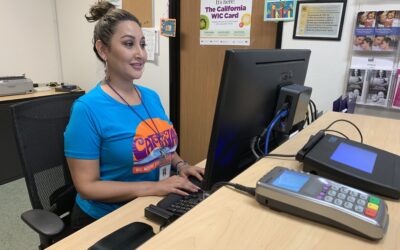
Why Remote WIC Services Matter For California Families
read more
Newsletters, publications, and resources for WIC Agencies.
For millions of families, the Special Supplemental Nutrition Program for Women, Infants, and Children (WIC) is a lifeline — providing...
Our 2025 annual impact report features the achievements of our small but mighty team.
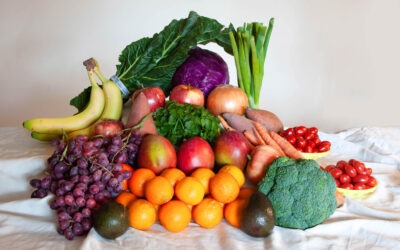
In Congress, the House Appropriations Committee has put forward a separate budget proposal that includes a smaller—but still deeply concerning—10% cut to the fruit and vegetable benefit. While not as severe as the Trump administration’s proposal, the House bill frames the reduction as a way “to begin a reset to pre-COVID levels.” That rationale ignores what we’ve learned before, during and since the pandemic: that increased fruit and vegetable benefits have significantly improved dietary quality, supported healthier pregnancies, and helped reduce the risk of obesity in young children.
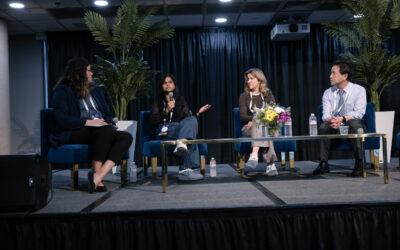
Improving data exchange to support individual health care and social needs through the Data Exchange Framework (DxF) is a high priority...
Our 2024 annual impact report features the achievements of our small but mighty team.
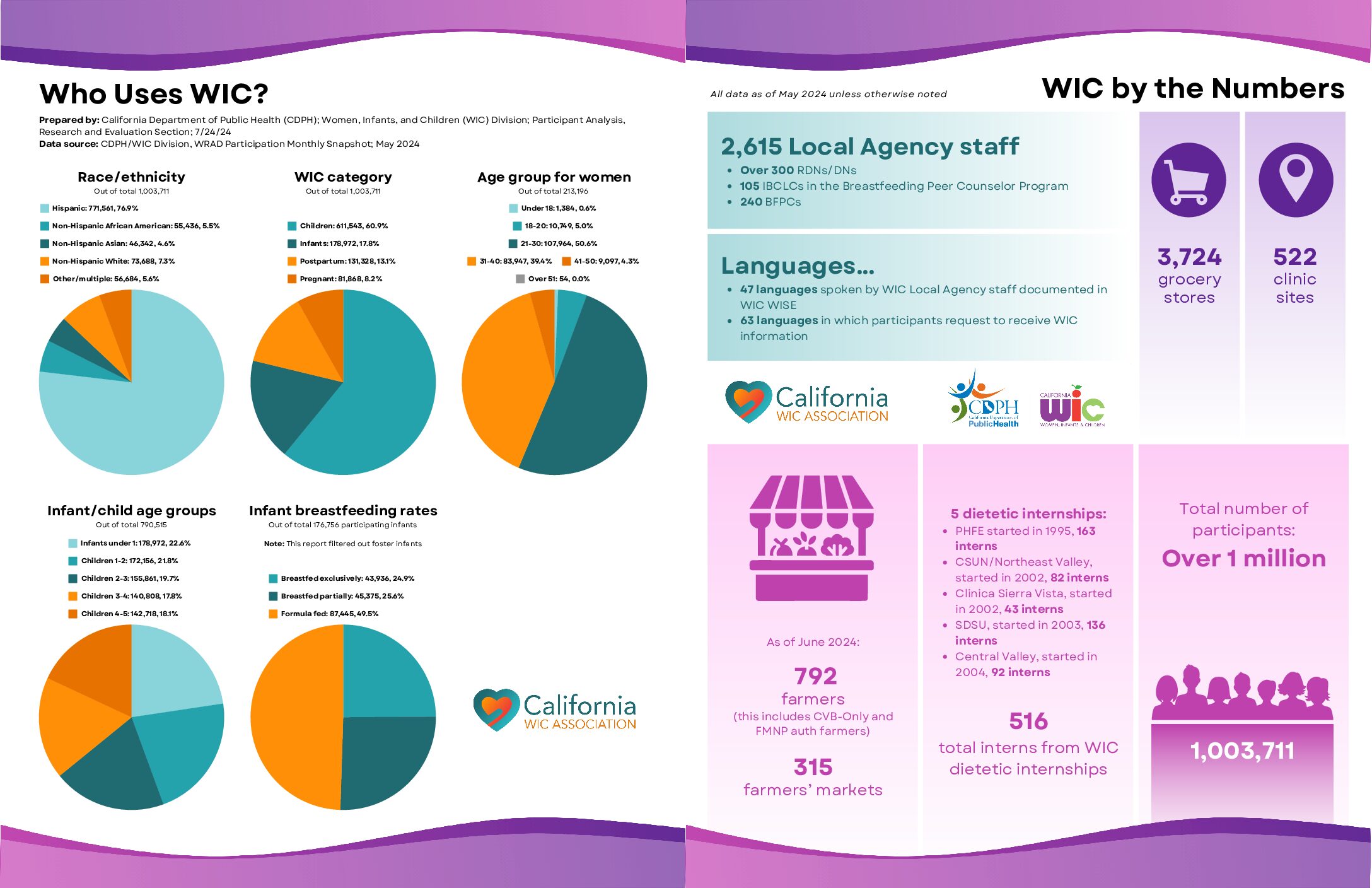
To celebrate

California needs innovative breastfeeding support strategies. Advocates and policy makers must work together to develop action plans to combat potential reversals in breastfeeding rates.

The journey toward ensuring optimal prenatal care is ongoing, with continual advancements and shifts necessary to meet the evolving needs of expectant mothers.

This policy update on California breastfeeding and hospital performance includes important data on exclusive breastfeeding by ethnicity and in-hospital and exclusive breastfeeding rates.

Policymakers and advocates have relied on publicly reported data to guide, evaluate, and monitor initiatives aimed at increasing breastfeeding rates throughout our diverse state. And these efforts have led to a steady rise in in-hospital exclusive breastfeeding rates.

Because hospitals may be the only places where mothers can access skilled support, many mothers struggle to meet their breastfeeding goals after they leave. Support must continue beyond the hospital walls.

Breast milk provides the perfect balance of nutrients tailored to the baby’s needs, promoting healthy growth and development.
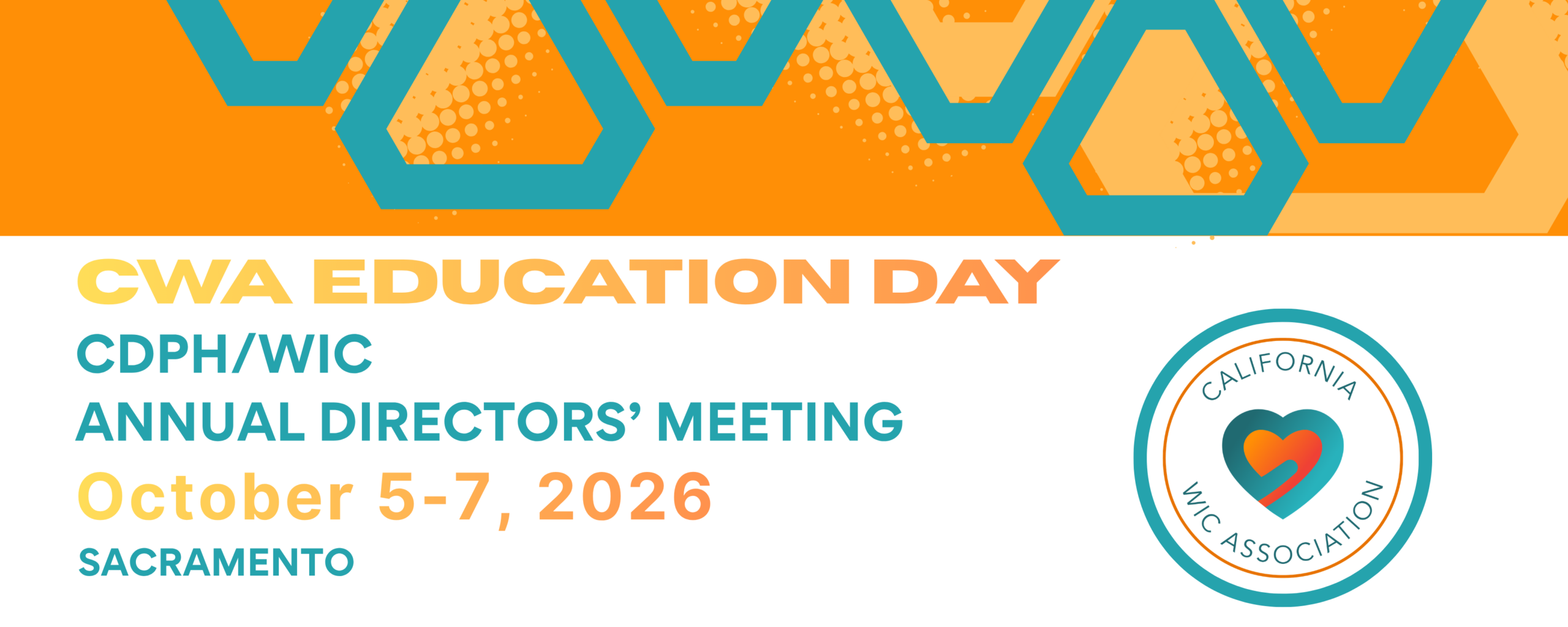
We have a great program planned for you! Register for the 2026 Fall Education Day and Annual Directors Meeting today. Deadline to book your hotel is coming up on September 3. Agendas, hotel information, and registration is available on our webpage. See you in October!